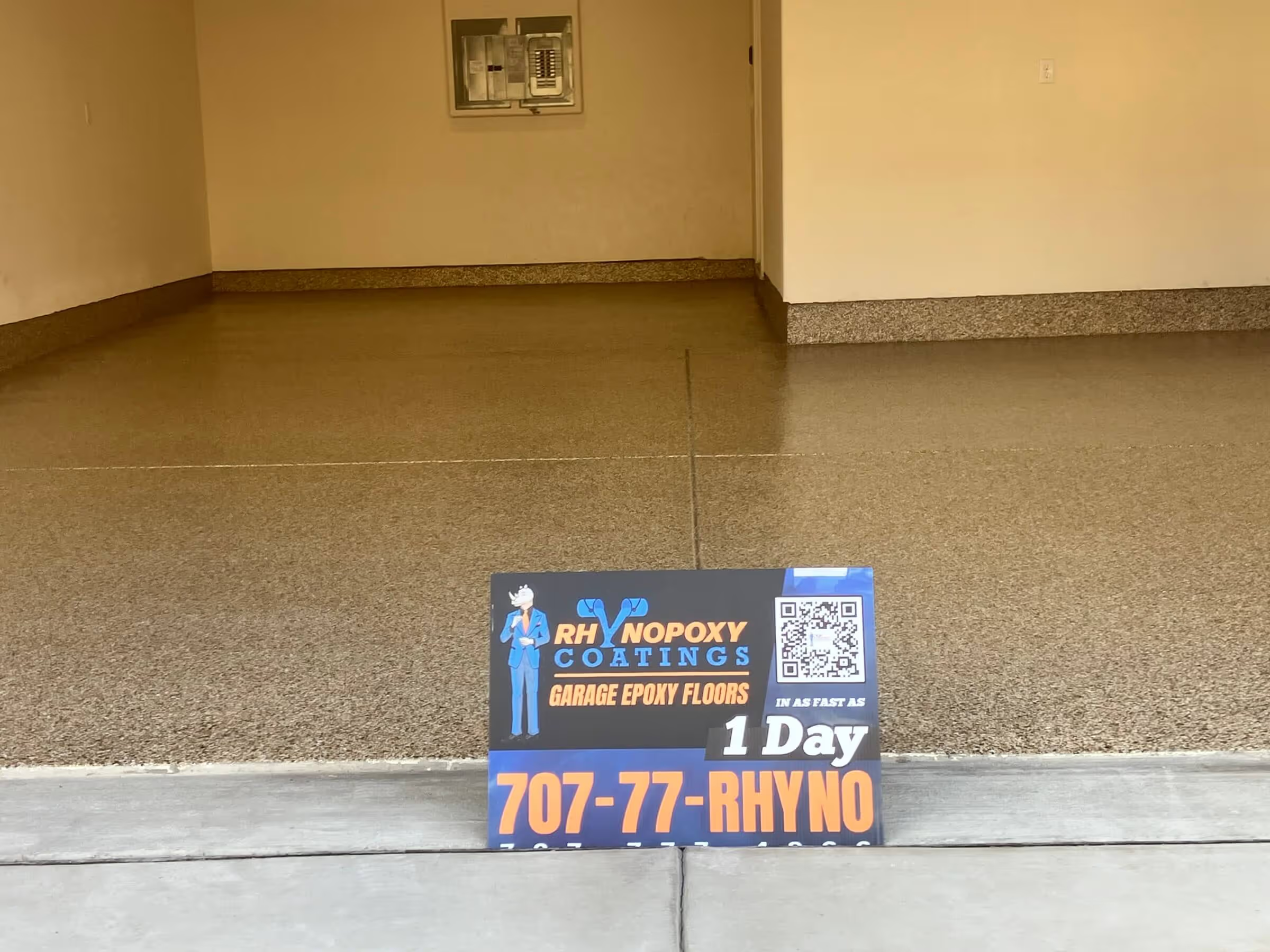
Seamless light gray resin floor with a coved base in a commercial food preparation corridor
Installed between harvests, ready before crush.

Winery Flooring in Napa, CA

RhynoPoxy Coatings installs seamless, acid-resistant flooring for Napa Valley wineries: crush pads, cellars, barrel rooms and bottling areas, laid to take harvest traffic, daily hot wash-down and constant exposure to wine and tartaric acid.

One Day Flooring
Acid resistant · Coved and drained · Off-season install

Napa Valley Winery Flooring Overview

A winery floor is quiet for most of the year and then takes everything at once. Through crush the same slab carries loaded bins and forklift traffic, runs wet for weeks, gets hot washed several times a day, and has must, juice and tartaric acid sitting on it in between. Bare or badly coated concrete does not come out of that unchanged.

We install urethane cement and resin systems as one continuous surface, taken up the walls as integral coving and laid to falls so wash water reaches the drains. Thickness is set by area: heaviest on the crush pad and press area, lighter through barrel storage where the traffic is a pallet jack rather than a loaded bin. Zoning a whole winery this way is covered on our winery flooring page.
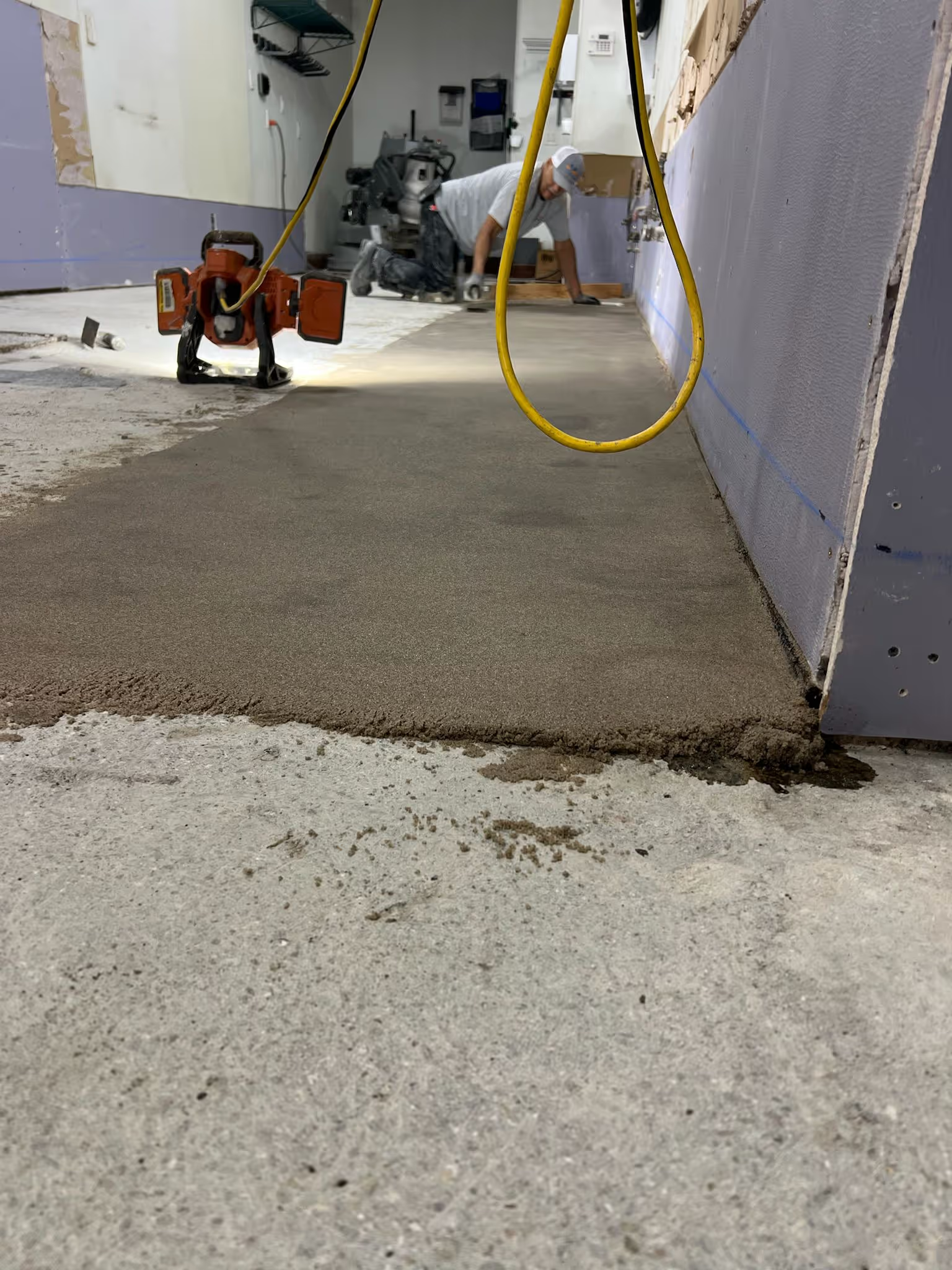
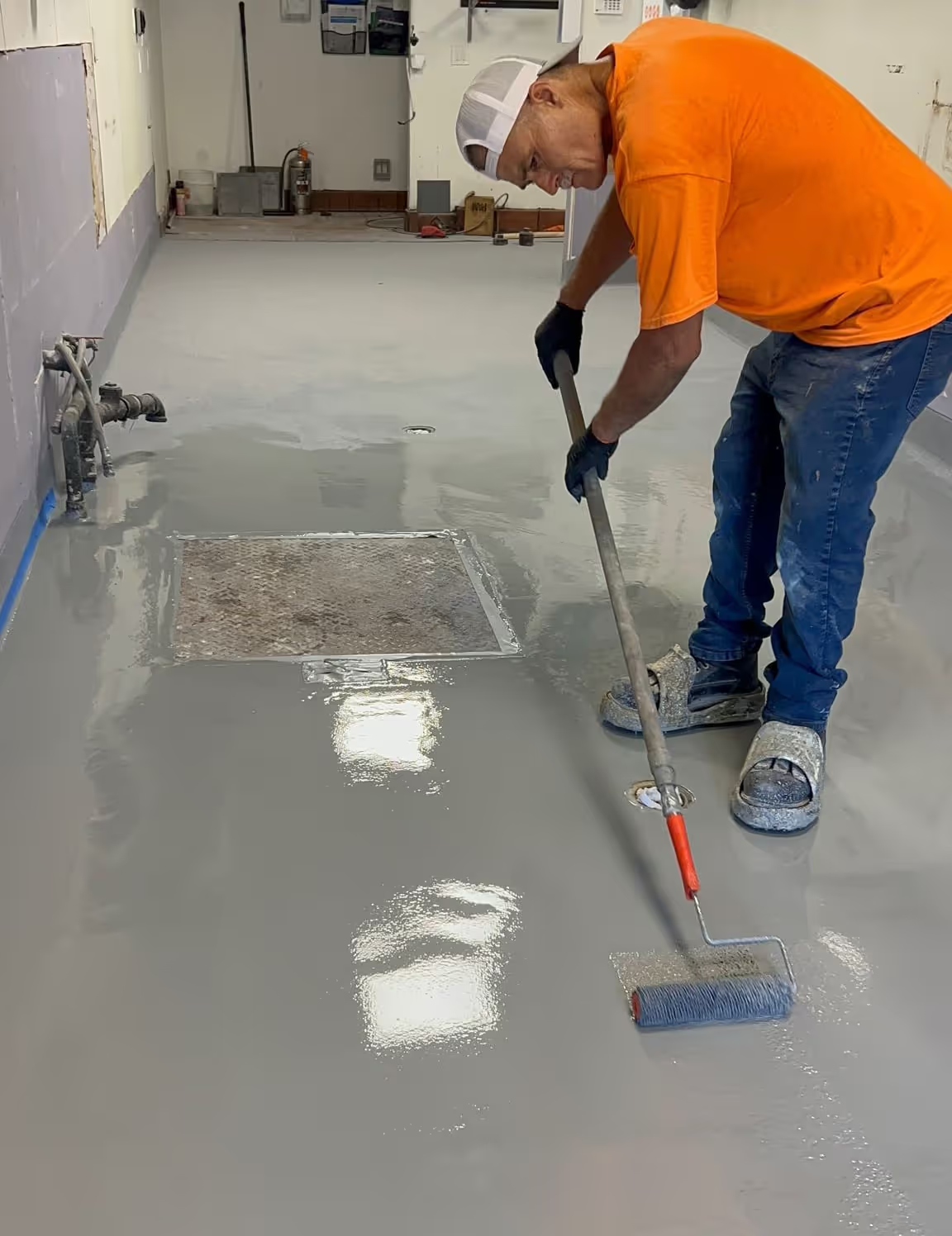
Commercial Kitchen Slope Floor To Drain

What a Napa Winery Floor Has to Take

Cellar floors rarely fail in the middle. They fail at the drain surrounds, at the floor-to-wall junction, and on the crush pad, which are exactly the three places a thin coating has the least to hold on to.

Stands up to tartaric acid and must

Wine, juice, lees and tartaric acid attack ordinary concrete and etch a standard epoxy. The systems we specify hold their surface against that exposure season after season instead of slowly going chalky.

Takes hot wash-down and steam

Hot water, steam and caustic cleaning cycle the floor between temperature extremes. Urethane cement expands and contracts with the slab rather than debonding from it, which is what ends most epoxy floors in a cellar.

Slip rated for a floor that runs wet

Aggregate is graded into the surface at the crush pad, the press area and the drain runs, where the floor is wet for weeks at a time, and kept out of areas that need to squeegee and scrub clean.

Coved to the walls and around tank pads

Coving is formed in the same pour and carried up the wall and around tank plinths and equipment bases, so there is no junction for lees and residue to sit in and nothing to reseal every year.

Built for bin and forklift traffic

Crush pad and cellar builds are laid thick enough to take loaded bins, forklift wheel loads and the occasional dropped fitting, rather than a coating rated for foot traffic and hope.

Works in barrel rooms and caves

Cool, damp, low-temperature spaces are where a lot of resin systems will not cure properly. Urethane cement will, which makes it the practical choice for barrel storage and cave floors as well as the production areas.

How a Winery Floor Install Runs

  • Survey against your calendar. We walk the crush pad, cellar, barrel room and bottling area, record the wash-down regime, drainage and temperatures, and work backwards from your crush date to find the window.
  • Zoned specification and fixed quote. You get the system, thickness and slip rating for each area in writing, typically 6 to 9mm where bin traffic and thermal cycling are involved and lighter through storage, with the coving and fall design set out.
  • Preparation and drainage. The slab is shot blasted, drains and channels are cut in or reformed, tank pads are prepared, and the falls are set out before any material goes down.
  • Laying, coving and detailing. The floor is laid seamlessly with integral coving formed in the same pour, then drain terminations, thresholds and movement joints are detailed to the same standard.
  • Handover before you need it. You get return-to-service times broken out for foot, pallet and forklift traffic, plus the specification and a cleaning regime matched to it, finished with margin ahead of your first fruit.
Restaurant Kitchen Floor Coating
Background image
Concrete slab being leveled with a screed board before the floor system is applied

Why Napa Wineries Choose Us

  • We plan around harvest, not through it. Cellar floors go in between roughly November and July. We scope to your crush date and phase the work room by room, because no floor is worth a day of a compressed harvest.
  • One specification per area. A crush pad, a barrel room and a bottling area do not need the same floor, and pricing them as one is how a winery ends up replacing part of the job early. Each area is specified for what it actually does.
  • Documented for the tasting room side. Where your tasting room serves food, Napa County environmental health enforces the California Retail Food Code there, and we hand over the system specification and cleaning regime you will want when they visit. The cellar itself is not under that code, and we scope the two separately.

For kitchen and front-of-house areas in Napa, see restaurant flooring in Napa. For residential work, see garage floor coatings in Napa. Across the county line, we do the same work on winery flooring in Santa Rosa and Sonoma. We also cover winery flooring in Livermore.

Frequently Asked Questions

  • When can this be done without getting in the way of harvest?
    Between crush and bud break is the sensible window, in practice November through July. We book cellar work into that period and phase it room by room where the winery is still moving wine. If you come to us close to harvest we will usually recommend waiting rather than trying to squeeze a production floor in on a compressed schedule.
  • Will it stand up to tartaric acid and our cleaning chemicals?
    Yes, and the tolerance is stated in writing. Tartaric and other organic acids, wine, must, caustic wash-down and peracetic sanitizers all sit within the rated range of the systems we specify. Give us your actual cleaning list at survey and the specification is matched to it rather than to a generic category.
  • Can you lay a floor in a barrel cave or a cold room?
    Yes. Urethane cement cures and performs at low temperatures, so caves, chilled rooms and cold stores are all workable, which is not true of most epoxy systems. They either fail to cure properly in the cold or debond at the first big temperature swing.
  • Our crush pad is outside. Can exterior concrete be coated?
    Yes, with a system chosen for it. Exterior slabs move more with temperature, get direct sun and have to drain properly, so the specification, the joint detail and the slip finish all differ from an indoor cellar floor. We would not put the same build in both places.
  • How much of the winery has to stop while you work?
    Usually one area at a time. Preparation, drainage and laying run about three to five days for a typical cellar or crush pad depending on size and how much drain work is needed, and we sequence rooms so the rest of the operation keeps moving. We confirm the phasing plan in writing before starting.

Request a Free Quote

Interested in upgrading your concrete surfaces? Get in touch with our team today for a free, no-obligation estimate and expert advice tailored to your project.

Send us a message

Thank you! Your message has been received.

We'll get back to you as soon as possible.
Oops! Something went wrong while submitting the form.
Garage Floor Coating