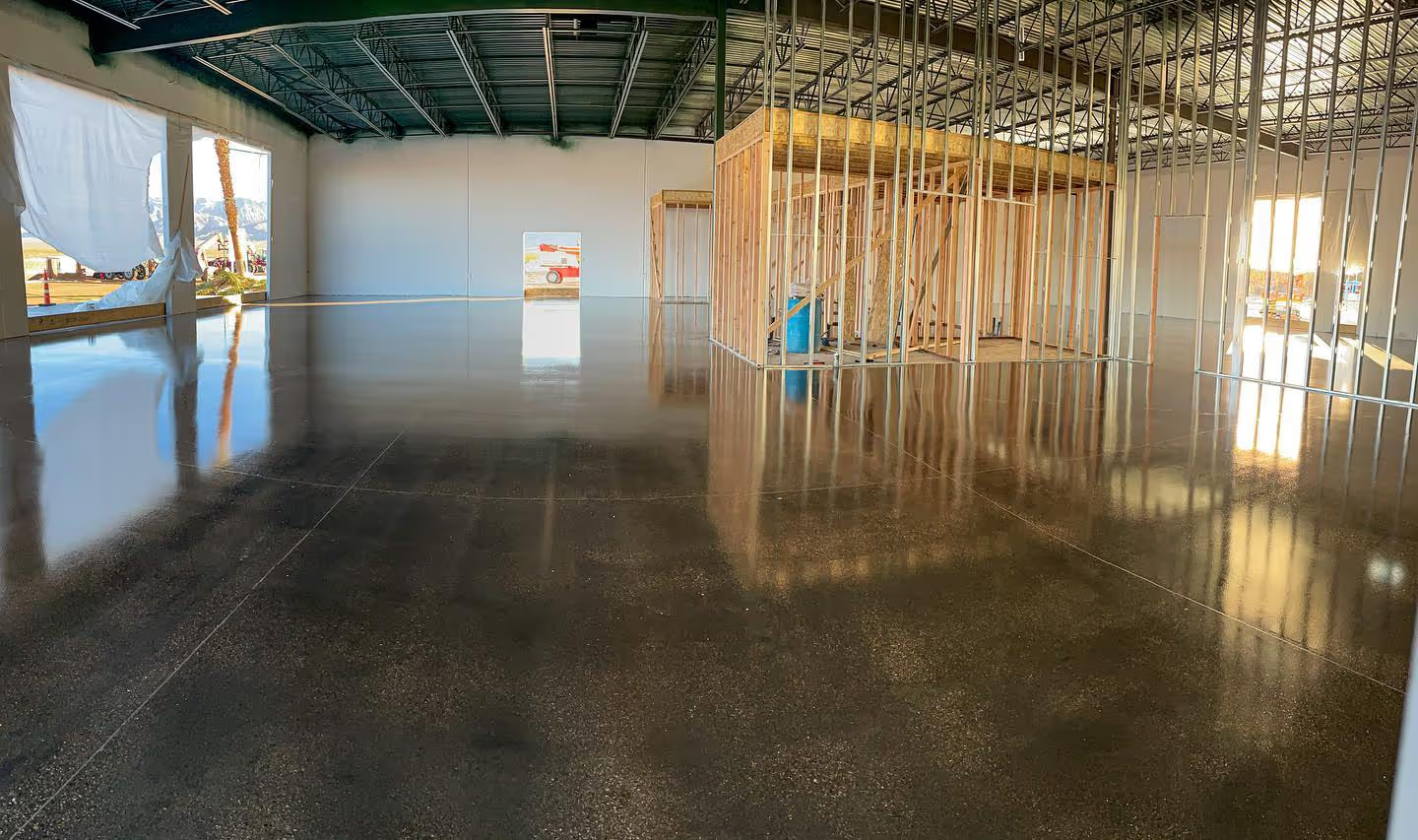

Polished concrete floor in a large open commercial space reflecting the ceiling structure
You can tell how a building is run by its floor.

Industrial Epoxy Flooring in Livermore, CA

RhynoPoxy Coatings floors Livermore research, production and distribution buildings where the floor is part of how the place is kept. A sealed, light, seamless surface does not shed dust, shows a spill instead of hiding it, and can be cleaned properly by the facilities team you already have rather than needing a regime nobody will follow.

One Day Flooring
No dust off the slab · Cleans with a scrubber · Seamless and sealed

Livermore Industrial Epoxy Flooring Overview

Bare and worn concrete generates dust continuously, because the surface of the slab is breaking down under traffic. In a warehouse that is a nuisance. In a building doing research, assembly or precision work it gets into everything, and it is why a lot of Livermore facilities coat their floors long before the slab is in any structural trouble at all.

A sealed floor changes the housekeeping problem rather than just the appearance. Nothing comes off the surface, nothing soaks into it, and a floor scrubber lifts what is there instead of pushing it around. The individual systems, and the loads and chemistry each one is rated against, are listed on our industrial epoxy flooring page.

Concrete slab being prepared with a grinder and vacuum extractor beside a trench drain

A Floor That Can Be Kept Clean

Durability is the baseline. What separates a good industrial floor from an adequate one is whether it still looks like a well-run building three years in.

Nothing comes off the slab

Sealing the concrete removes the constant fine dust that bare and worn slabs produce. That matters most where there is assembly, instrumentation or stored product for dust to get into, and it shows up quickly in how often surfaces and filters need attention.

Light enough to see by

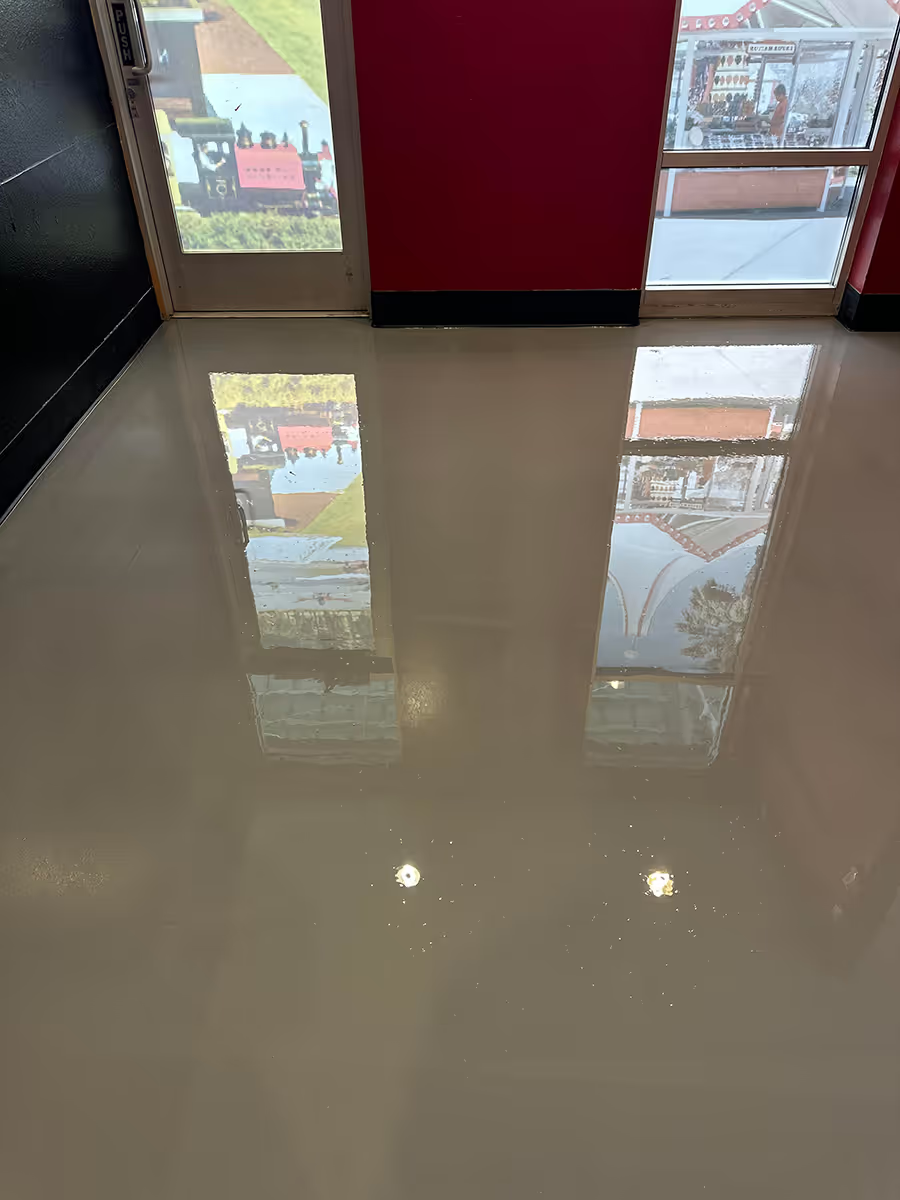
A pale floor puts a lot of the light in a building back into the room. It makes a large space easier to work in and easier to walk, and it means a spill or a dropped component is visible rather than lost against gray concrete.

Cleans with the equipment you have

The surface is non-porous, so a floor scrubber picks material up instead of smearing it into the slab. There is no waxing, no stripping and no annual re-seal needed to keep it serviceable.

Marked out where it needs to be

Walkways, aisles and equipment zones can be laid into the floor rather than taped on top of it, so the markings do not lift or curl under wheeled traffic and do not need replacing every time the layout is reviewed.

Chemical splashes lift, not soak

Where the building handles solvents, oils or process fluids, the system is specified against what is actually used on site, so a splash stays on the surface and comes off instead of staining into the floor and staying there.

Repairable in place

Damage can be taken back to sound material and rebuilt in the same specification, so the repair keys into the floor around it. A forklift strike or a dropped load does not commit you to a visible patch for the rest of the floor's life.

How a Livermore Industrial Floor Install Runs

  • Site visit and use by area. We walk the building and get the real picture: what happens in each area, what gets spilled, what runs across it, how it is cleaned today and what the housekeeping standard actually has to be.
  • System specified to the area. Different areas get different builds. A goods aisle, an assembly bay and a wash area are not the same problem, and specifying them as one compromise floor is how buildings end up with a surface that is wrong everywhere.
  • Specification and fixed quote. You get the system and build per area, the color, the slip rating, any marking or zoning, the running order for the zones and how long each one is shut, priced as one number.
  • Clearing and preparation. You clear the portable contents of each area before its slot begins: stock, pallets, mobile benches, anything on castors. Racking and machinery that is fixed down stays put, and the coating is finished against it on a cut edge. The slab is then ground or shot-blasted until it is sound and clean.
  • Laying and handover. Each area is laid in a single pass. Once it is down you get the times for foot traffic, wheeled traffic and full load, plus the specification sheet, a written cleaning method for that system and the warranty.
High gloss cream commercial floor reflecting the glass entrance doors and the street outside
Background image
Planetary grinder preparing the concrete floor of an auto shop with the roller doors open

Why Livermore Facilities Choose Us

  • We specify to how the building is cleaned. The cleaning equipment and the routine you already have are part of the survey, because a floor that needs a regime nobody is going to follow is a floor that stops looking right inside a year.
  • Phased around production, not over it. We take one zone at a time and hand it back before opening up the next, so you never lose the whole building at once. The running order and the shutdown length for each zone are committed in the quote rather than agreed loosely and allowed to drift.
  • One crew, one written warranty. The same crew does the preparation and the laying, and the whole floor carries one written warranty instead of being split between trades.

We also cover Livermore for garage floor coatings and winery flooring. Comparable projects are covered on industrial epoxy flooring in Vacaville, Benicia, Sacramento, Oakland, San Jose and commercial epoxy in Concord.

Frequently Asked Questions

  • Will it stop the dust coming off our slab?
    Yes. Dust off a bare or worn floor is the surface of the concrete breaking down under traffic, so sealing it removes the source rather than managing the symptom. It is why buildings doing assembly, instrumentation or clean storage tend to coat their floors well before the slab has any structural problem.
  • Can we keep working while you install?
    In most cases yes. The work is broken into zones and sequenced around your operation rather than ours, so an occupied building sees a run of short local shutdowns instead of one long closure. The running order is agreed before anything starts.
  • What color should an industrial floor be?
    Lighter is usually better in a working building, because it puts light back into the space and makes spills and dropped parts visible. Very pale floors do show traffic between cleans, so a mid-tone often ends up being the practical answer. Whatever you choose goes on the quote with the system.
  • How do we clean it?
    A floor scrubber and a neutral detergent covers almost everything. The surface is non-porous, so there is nothing to strip, wax or re-seal on a cycle. You are given a written cleaning method for the exact system you had installed.
  • Can you mark out aisles and zones?
    Yes, and it is better built into the floor than applied over it. Lines and zones laid into the system do not lift or curl under wheeled traffic. If your layout is likely to change, say so at survey and we will talk through what is worth building in and what is better left flexible.

Request a Free Quote

Interested in upgrading your concrete surfaces? Get in touch with our team today for a free, no-obligation estimate and expert advice tailored to your project.

Send us a message

Thank you! Your message has been received.

We'll get back to you as soon as possible.
Oops! Something went wrong while submitting the form.
Garage Floor Coating